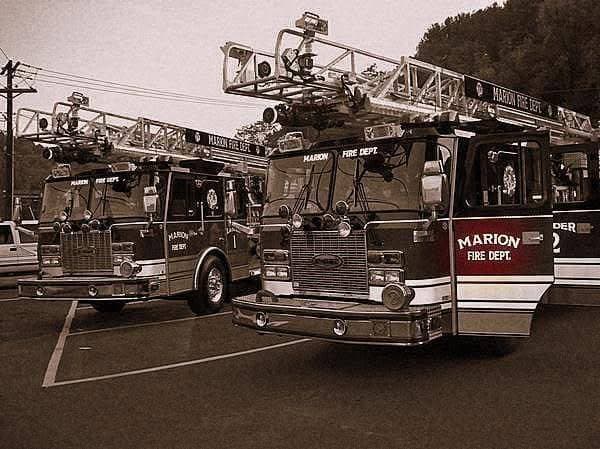
Classic Roto-Ray warning light mounted on the front of a fire engine

Roto-Ray history · 1929 — today

The History of the Roto-Ray Spinning Warning LightAn American Icon Since 1930

Ask anyone who grew up around a firehouse to describe the light on the front of the old rigs, and you'll hear the same thing: that spinning light is the first thing you see when the truck is coming down the road.

That's a Roto-Ray.

The shape is simple, the motion is unmistakable, and the story runs from a Dayton, Ohio patent to Richard Slepetz's Herndon revival and the lights we build today at Eastern Fire Equipment Services in Lemoyne, PA.

01Origins — Dayton, Ohio

Where the Roto-Ray Warning Light Came From

The Roto-Ray predates the light bar, the strobe, and the LED by generations. Edward C. Rumsey's signal design mounted independent lights on a motor-driven spider so their beams swept across the road. U.S. Patent 1,772,499, assigned to Buckeye Iron and Brass Works, was filed in 1927 and granted in 1930.

01

The Original Buckeye Roto-Ray: Dayton, Ohio, 1929

Buckeye Iron and Brass Works of Dayton, Ohio, was the assignee of Edward C. Rumsey's signal patent. The patent describes independently wired lights mounted on a motor-driven spider, designed for fire engines, ambulances, and other emergency vehicles. Buckeye began producing the Roto-Ray in 1930. Read the original patent and drawings.
02

From Buckeye to Machine Products to William Grether

According to a 2012 interview with Richard Slepetz, Buckeye built the light until 1962 or 1963, then sold the rights to Machine Products Corporation. The rights later passed to William G. Grether, who did not return the light to production. Read the Richard Slepetz interview.

Vintage fire apparatus equipped with dual Roto-Ray warning lights
01

02The revival — Herndon, Virginia

The Herndon Revival: Roto Rays, Inc. and Richard Slepetz

The name most tied to the light's comeback is Richard Slepetz. A retired Fairfax County Fire and Rescue firefighter, Richard pursued the Roto-Ray rights because he understood from the apparatus cab why the spinning light worked. His account of the acquisition, prototype, and Fairfax County installation is preserved in a 2012 interview.

01

Richard Slepetz and 722 Park Ave., Herndon, VA

Richard contacted William Grether in 1971 about buying the rights. After Grether died, Richard acquired the patent rights and spare parts at the estate auction for $500. He established Roto Rays, Inc. in Herndon, Virginia, and began the light's second life. Source: Richard Slepetz interview.

02

The Fairfax County Seagrave That Brought the Light Back

Around 1978, Richard built his first prototype: a 6-inch sealed-beam Roto-Ray. The break came from his own department.

Fairfax County had taken delivery of a new Seagrave pumper fitted with an electronic siren, a beacon, and flashers, and the crews weren't happy with the warning package up front.

Richard flush-mounted his Roto-Ray dead center on the cab face and got it approved. The administration liked what they saw and decided to spec Roto-Rays onto every new apparatus delivery.

Early Slepetz-era heads reportedly turned up on DC fire apparatus in the same years

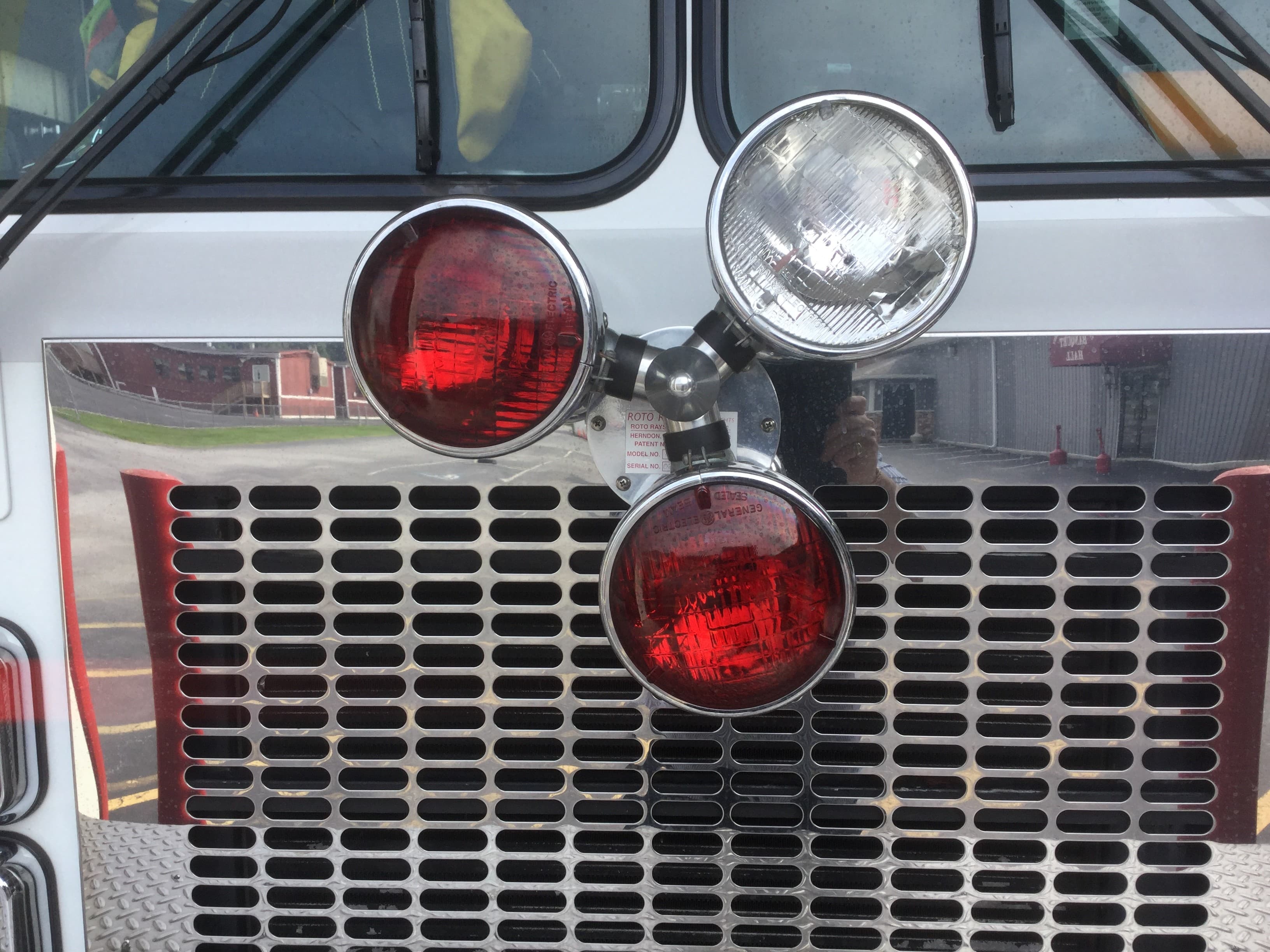
Classic Roto-Ray warning light mounted on the front of a fire engine
02

03The design

What Made Old Roto-Rays Different From Every Other Fire Truck Light

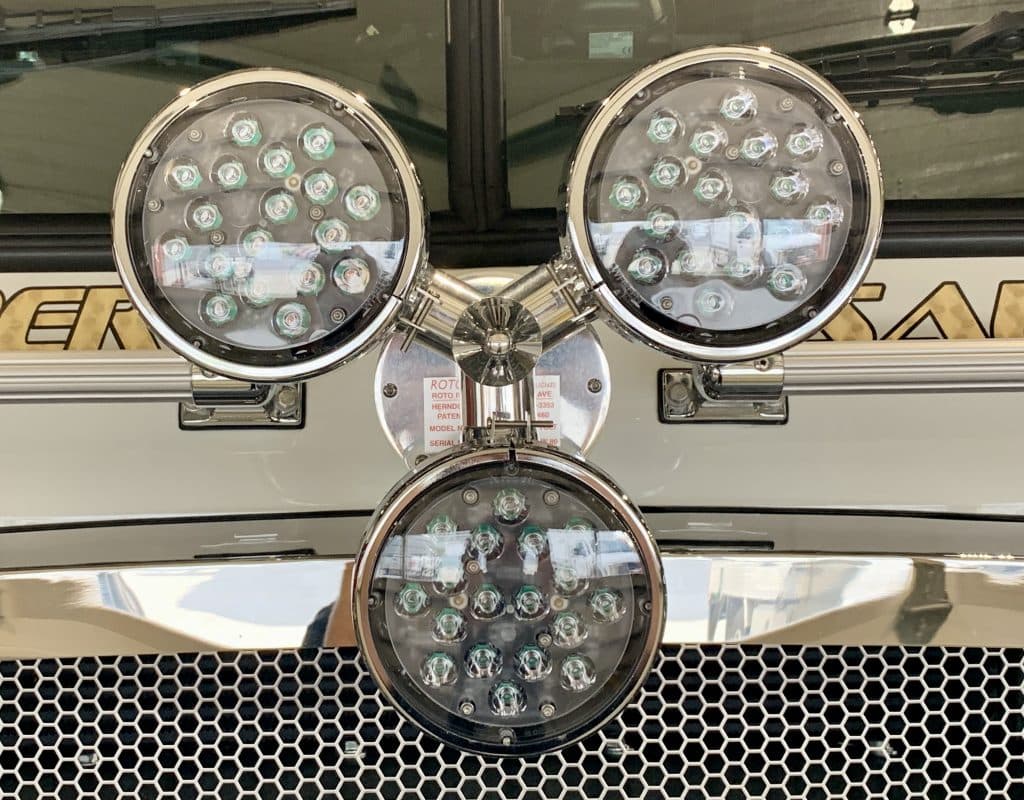
Plenty of warning lights came and went. The Roto-Ray stuck around because it does one thing no other light can copy: it spins. Three spinning lights read as a single, urgent point of motion from far down the road.

01

6-Volt Beginnings and the Move to 12-Volt and 24-Volt

The electrical story tracks the trucks themselves.

The original Buckeye lights were 6-volt, matching the systems of early apparatus. As fire trucks moved to 12-volt charging systems, the Roto-Ray moved with them, and heavier rigs running 24-volt systems got lights to match.

That adaptability is part of why a design from the 1920s kept showing up on rigs decade after decade. Its steel housing, geared drive, bearings, and light spider were made to be repaired and rebuilt.

02

The Color of the Light on Old Fire Trucks

One question comes up again and again: what is the color of the light on old fire trucks? For fire apparatus, the answer was almost always red.

A Roto-Ray with all-red sealed beams was the standard look, though red-and-clear combinations were common too, throwing a mix of colored and white light as the spider turned.

People still call these old-fashioned red lights or spinning beacons, and the warm glow of an incandescent sealed beam is a big part of why restorers want the real thing rather than a reproduction.

Three-lamp Roto-Ray warning light mounted on fire apparatus
03

04The old-school front end

The Old-School Fire Truck Front: Roto-Ray, Mars Lights, and Bubblegum Beacons

The Roto-Ray shared the front of the old rigs with a few other icons.

The Mars light oscillated a single beam up and down. A bubblegum beacon spun a colored dome on the roof, the look most people picture from period photos. Flat panel warning lights filled in around them, paired with the mechanical sirens and bells of the day. Against all of it, the Roto-Ray held the center of the cab because its multi-light spin was the one signal you couldn't mistake for anything else. For the case departments still make for the spinning light today, see why departments still choose Roto-Ray.

Three-lamp Roto-Ray warning light mounted on fire apparatus
04

05Collecting

Collecting Vintage and Buckeye Roto-Rays

The Roto-Ray built a collector following that outlasted every trend. Restorers, apparatus museums, and firefighters still bring Buckeye and Slepetz-era lights back to working condition.

01

Identify the Light Before You Restore It

Markings, voltage, mounting style, motor, and light configuration help distinguish an original Buckeye light from a later Machine Products or Slepetz-era Roto-Ray. Photograph those details before ordering parts or beginning a restoration.

02

Talk to EFES Before Buying or Restoring

Because EFES builds and services Roto-Rays today, we can help identify a vintage light, determine whether it is a restoration candidate, and match it with appropriate service or parts.

03

Restoring an Old Roto-Ray for a Vintage Rig

Restorers keep the Roto-Ray legacy alive. A period-correct restoration uses the right sealed-beam lights, spin, finish, and mounting position for the apparatus. EFES can help preserve those details while returning the light to service.

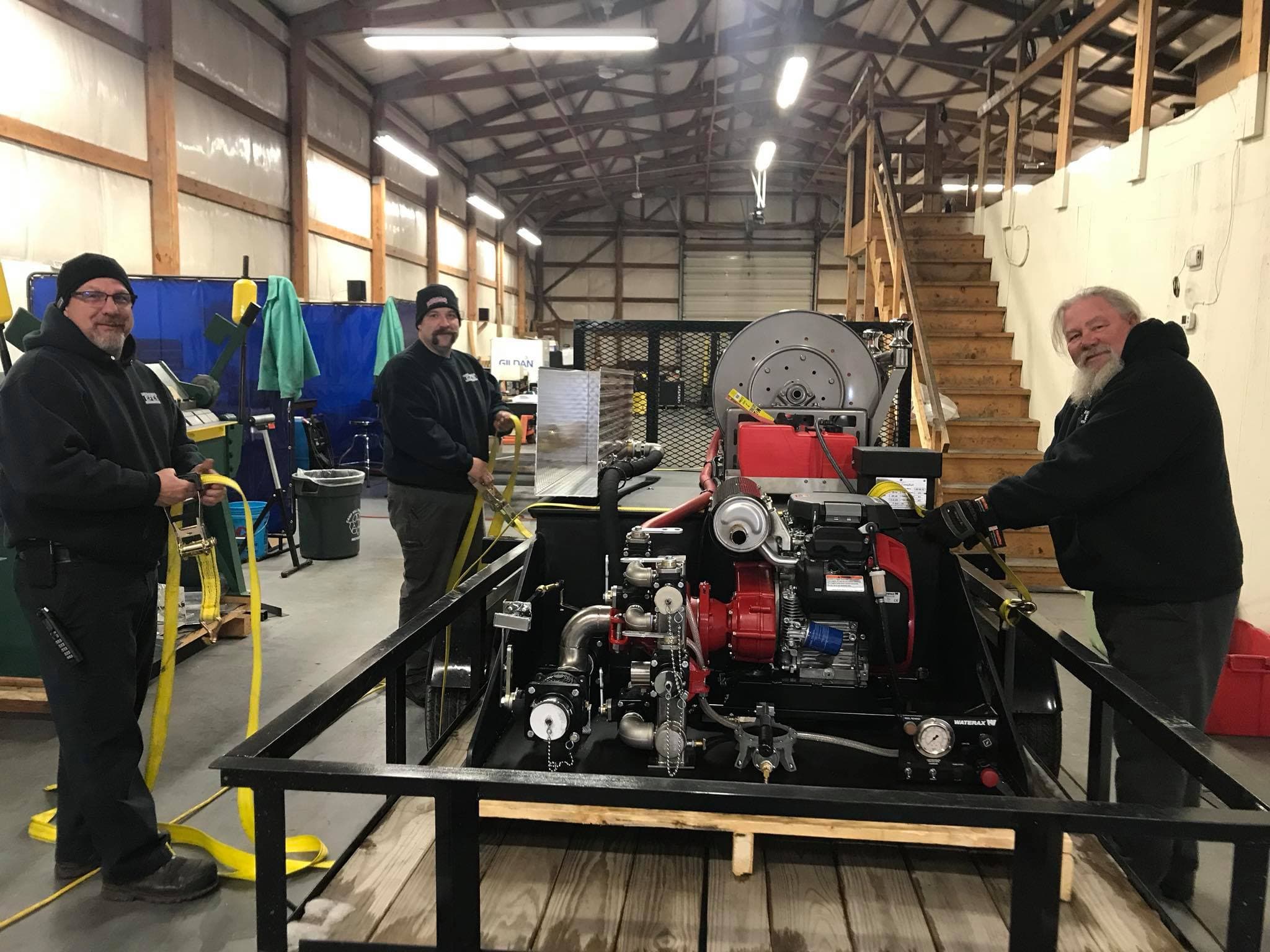
EFES team building and servicing fire equipment in the Lemoyne shop
05

Vintage or new

Talk to us about restoring your Slepetz-era Roto-Ray.

06Lemoyne, PA — today

The EFES Era: The Roto-Ray's Next Chapter

On October 7, 2025, Eastern Fire Equipment Services announced an exclusive licensing and transition agreement with the Slepetz family to manufacture, distribute, and service the Roto-Rays spinning emergency warning light. Production and service operations moved to EFES's Lemoyne facility. Read the EFES announcement.

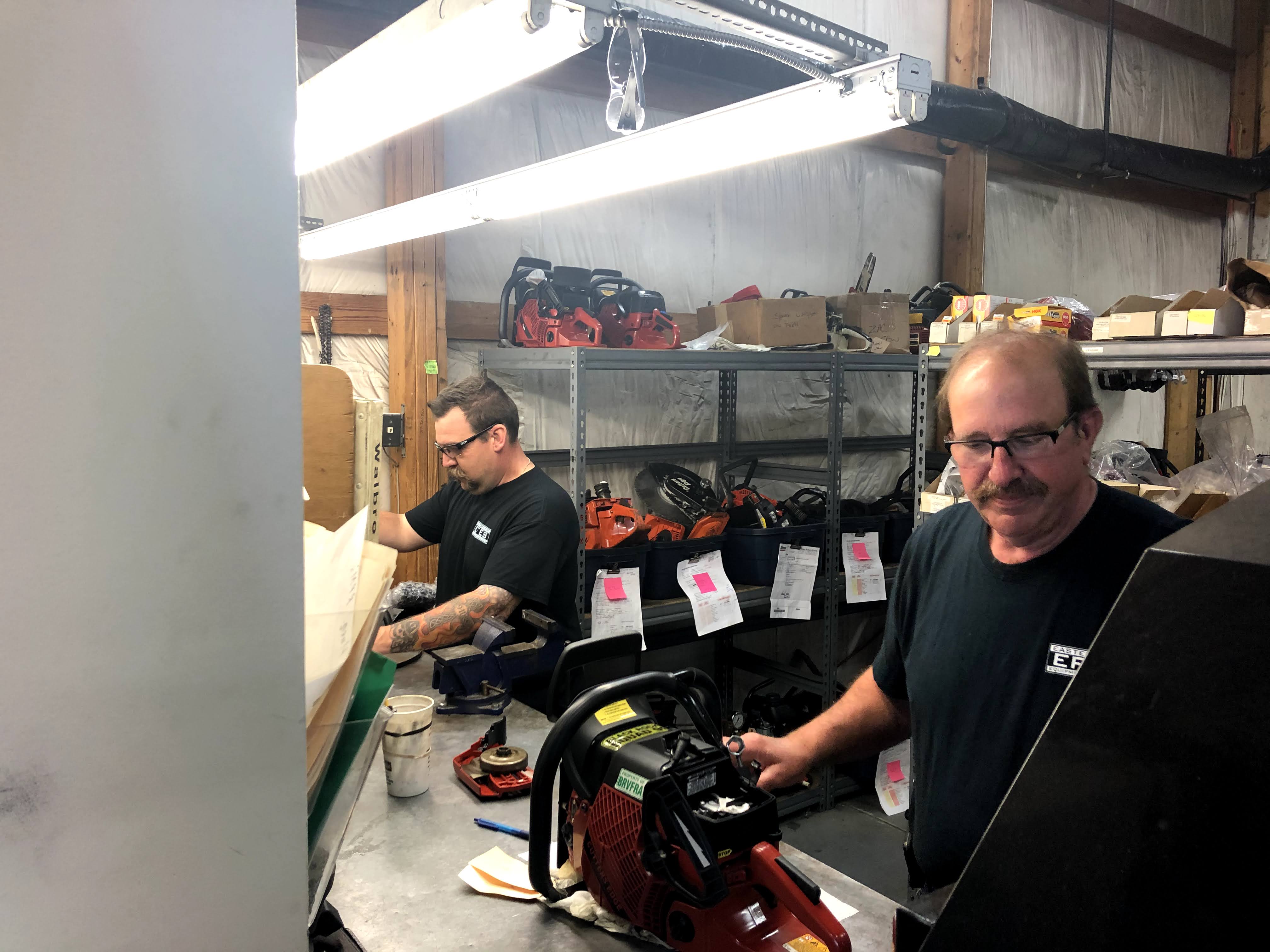
EFES technicians servicing rescue saws at the workbench
06

2025

EFES takes exclusive rights to manufacture the Roto-Ray

07The community

Bill Darrow and the Roto-Ray Community

The Roto-Ray's history isn't only names on a patent.

It's kept alive by a community of firefighters, collectors, and historians who track these lights, trade parts, and document surviving units. The name Bill Darrow surfaces in that community and in the brand's later paper trail alongside the Roto Rays Warning Lights name. If you have documentation, photos, or firsthand history on early Roto-Rays, we'd like to hear from you, because getting this record right matters to the people who care about it.

Vintage fire apparatus equipped with dual Roto-Ray warning lights
07

In production today

See the current Roto-Ray lineup.

FrequentlyAsked Questions

About Roto-Ray History

The Roto-Ray originated with Buckeye Iron and Brass Works of Dayton, Ohio, which was issued the patent in 1929 and began production in 1930. Decades later, retired Fairfax County firefighter Richard Slepetz revived the brand as Roto Rays, Inc. in Herndon, VA, and it's that early-1970s revival that most firefighters think of as the start of the current-era Roto-Ray.

The design dates to a 1929 patent, so the Roto-Ray concept is nearly a century old. The Herndon-based revival under Richard Slepetz began in the early 1970s, and the light has been in near-continuous use on fire apparatus since then. EFES builds it today in Lemoyne, PA.

A Buckeye Roto-Ray is an original unit built by Buckeye Iron and Brass Works in Dayton, Ohio, between 1930 and the early 1960s. These early 6-volt heads carry the "Buckeye Iron & Brass Works" markings and are the most collectible version of the light. A Buckeye Roto-Ray for sale draws serious interest from restorers and museums.

Richard Slepetz was a retired Fairfax County Fire and Rescue firefighter who bought the Roto-Ray patent rights at an estate auction for $500 and rebuilt the brand as Roto Rays, Inc. at 722 Park Ave., Herndon, VA. His first prototype, a 6-inch sealed-beam light around 1978, led Fairfax County to spec Roto-Rays on new apparatus and brought the light back into production.

Roto Rays, Inc. operated out of 722 Park Ave., Herndon, VA 20170, under Richard Slepetz. That Herndon location is where the current era of the light was built for decades before EFES took over production and moved manufacturing to Lemoyne, PA.

Old Roto-Rays were almost always red for fire apparatus, either all-red or a red-and-clear combination that mixed colored and white light as the lights spun. Red was the standard color of the light on old fire trucks, and it's still the classic look departments choose.

Yes. A vintage Roto-Ray light is a prized find for a period-correct restoration, and original Buckeye units especially hold their value. If you're weighing a used or vintage head against a new one, talk to EFES first; we can tell you whether a vintage unit is worth restoring or whether a new head makes more sense for your rig.

Eastern Fire Equipment Services makes Roto-Rays. Since October 7, 2025, EFES has held the exclusive rights to manufacture, distribute, and service the light, and every light is built in Lemoyne, PA. The history that started with Buckeye and continued with Richard Slepetz in Herndon now runs through our shop.

Keep it spinning

Carry a Piece of Fire ServiceHistory Forward

The Roto-Ray has survived nearly a hundred years because it does its job better than anything meant to replace it.

From the original Buckeye heads of 1929 to the Herndon revival of the 1970s to the units we build today, it's the same idea: a spinning cluster of red light that says fire apparatus at a glance. Whether you're restoring an old rig, hunting parts for a vintage head, or spec'ing a new Roto-Ray onto your next build, we can help. Call 1-800-504-2044 or reach out through our contact page, and keep the spinning light where it belongs, on the front of the truck.

Classic Roto-Ray warning light mounted on the front of a fire engine