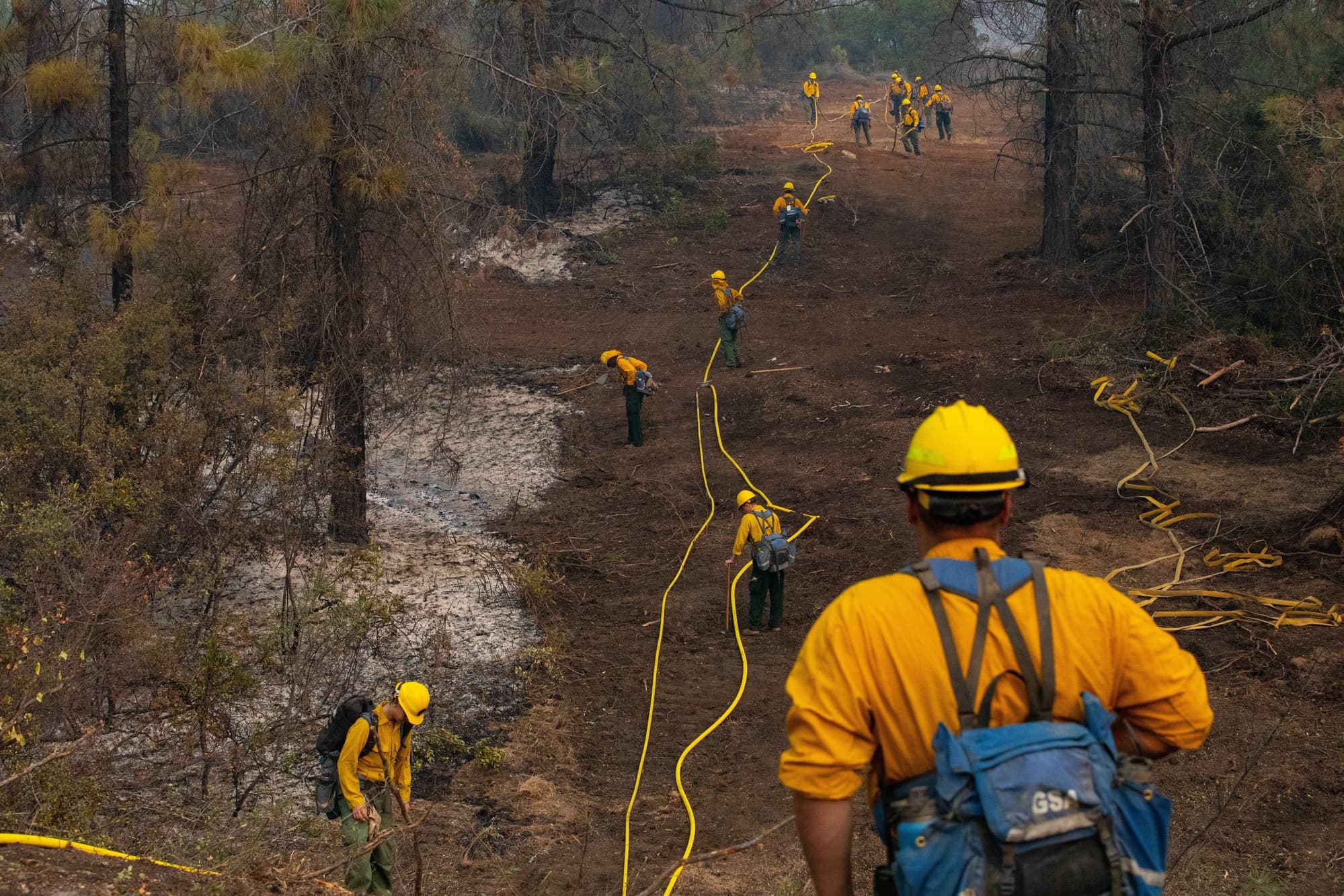
Capacity
Size the tank to the mission and the verified load budget, not to the largest number that fits the footprint. More water provides more operating time, but it also consumes payload and space.
Mission + load
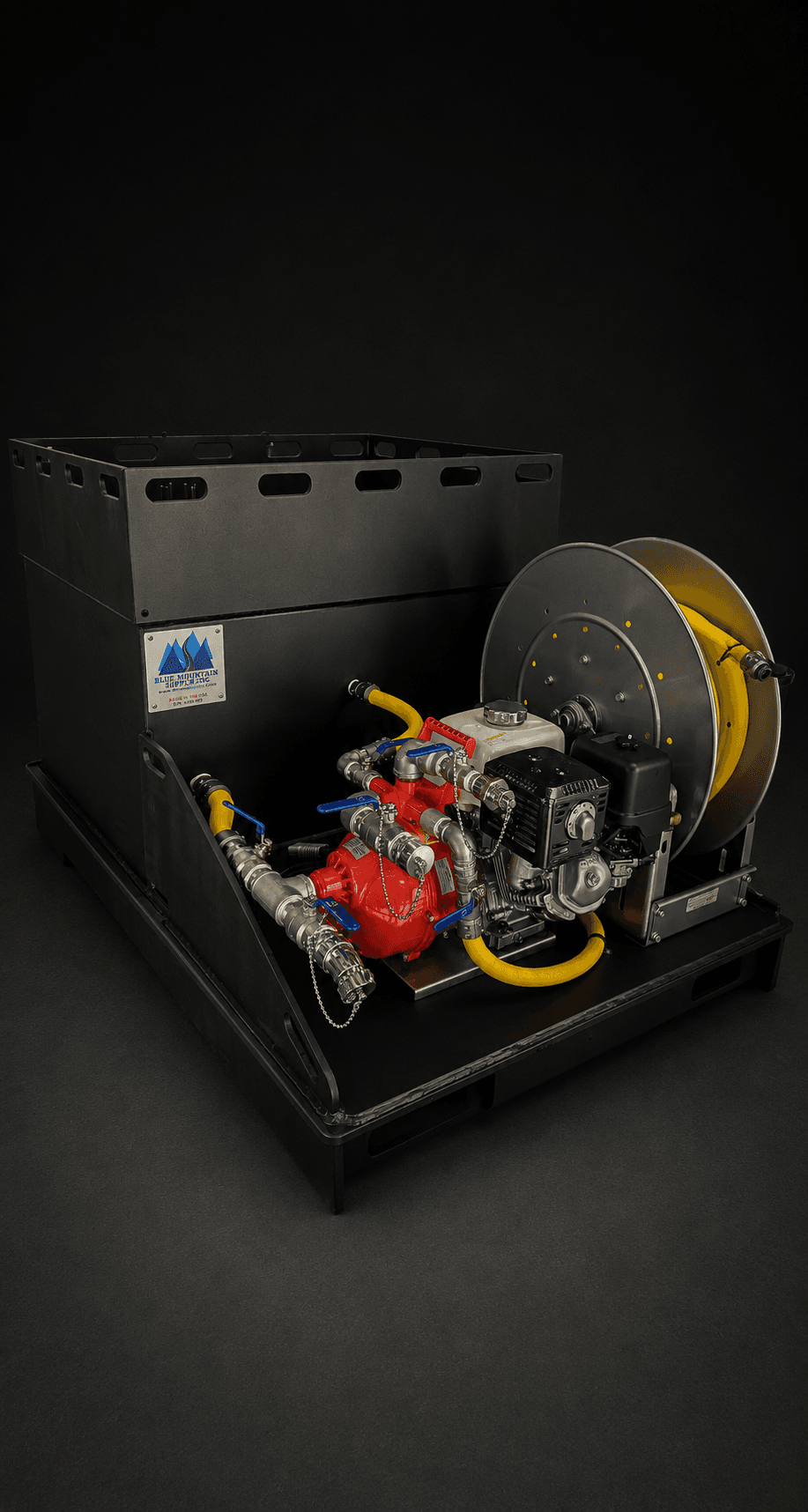
Built & serviced in Lemoyne, PA — by firefighters, since 2009
Skid Unit Buying Guide
Before you pick a tank size or pump, define the mission and the exact vehicle carrying it. Every gallon, fitting, reel, and storage choice changes the load, the balance, and the way the unit works on scene. Use this guide to turn those decisions into a useful Blue Mountain build conversation.
01Start With the Carrier
Change the gallons and you change the weight, the space left for tools and crew, the available water time, and the way the loaded vehicle handles.
Water weighs approximately 8.34 pounds per U.S. gallon. That makes 100 gallons about 834 pounds and 200 gallons about 1,668 pounds before you count the tank, pump, frame, plumbing, reel, hose, tools, foam if carried, crew, fuel, or other cargo.
The vehicle manufacturer's loaded-weight and axle ratings still govern. A water calculation is the starting point, not proof that a proposed skid fits or handles correctly.
02Read the Curve
A pump does not deliver its maximum pressure and maximum flow at the same operating point.
Manufacturer curves show how much flow the pump produces as pressure changes. For one example, WATERAX publishes different flow values at 50, 75, and 100 PSI for its VERSAX multipurpose pump. Those numbers belong to that model, not to every skid pump. The buying lesson is universal: compare the curve where your line actually needs to work.
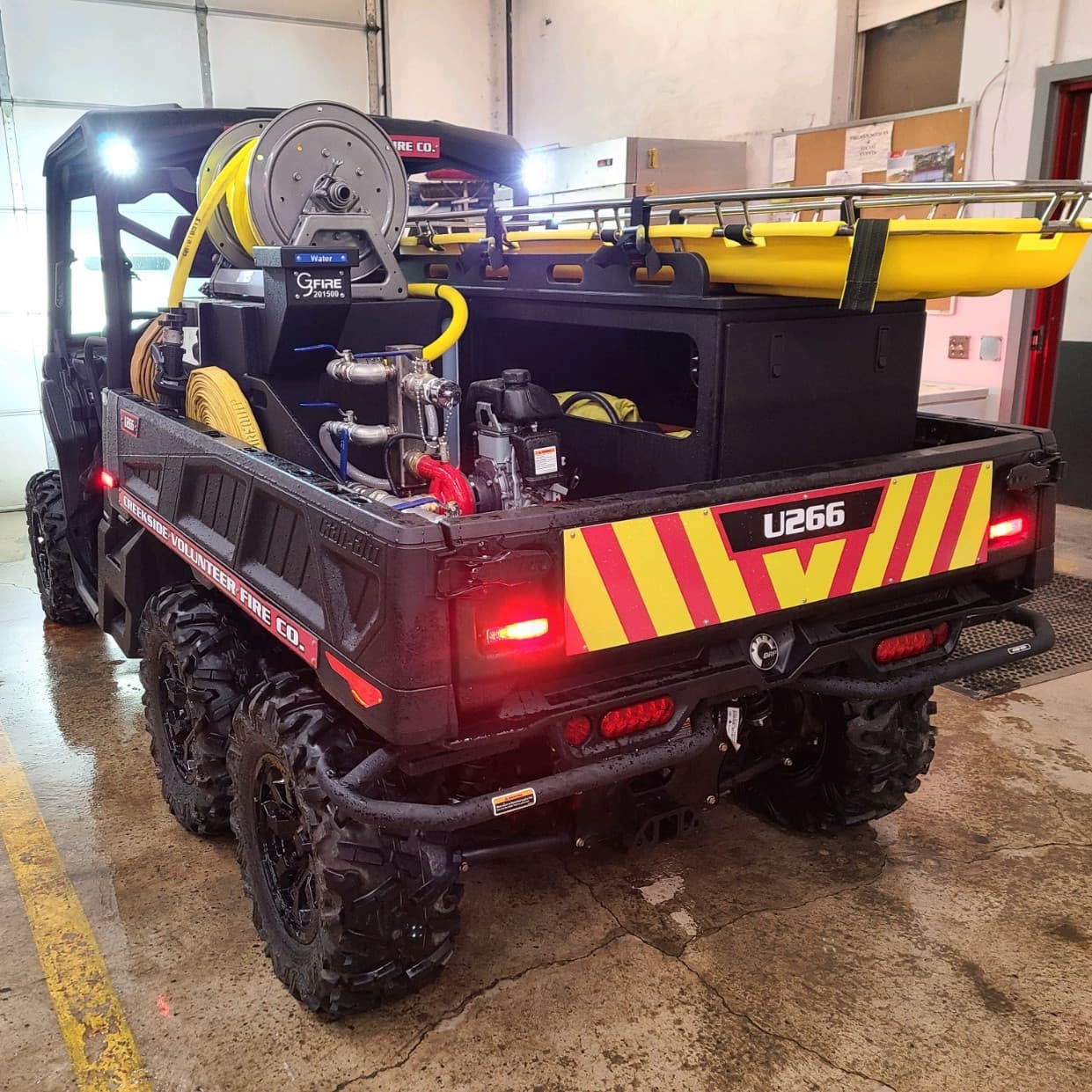
Start at the nozzle and work backward.
Define the discharge flow and pressure the operation needs, then account for hose diameter and length, elevation, appliances, and whether more than one line must work at once. Those losses and demands determine what the pump must deliver at the skid.
Water supply belongs in the same conversation.
A department that expects to draft from a portable tank or static source needs different inlet, primer, and suction planning than one that only fills at the station. If the skid must transfer water, refill itself, or feed an auxiliary discharge, put those functions on the build sheet before choosing the manifold.
Bring This to the Build Call
Work through these items before the build conversation. EFES can then confirm a coherent configuration rather than trying to resolve the mission, carrier, water load, and component layout one option at a time.
| Decision | What to document |
|---|---|
| Mission | Brush, UTV fire, patient transport, low-profile medical, or another role; list the fire or rescue tasks the unit must handle. |
| Carrier | Exact make, model, year, bed or cargo dimensions, and any upfit already installed. |
| Load limits | Current GVWR, payload or cargo rating, front and rear axle ratings, and the capacity information from the vehicle manufacturer. |
| Operational load | Crew, water, tank, pump, frame, plumbing, reel, hose, fuel, foam if carried, tools, patient gear, and other cargo. |
| Tank | Target gallons, available footprint and height, fill location, drain, venting, level indication, and access for inspection. |
| Pump duty | Required flow and pressure at the intended operating point, plus the line length, diameter, elevation, and appliances behind that requirement. |
| Decision | What to document |
|---|---|
| Water supply | Station fill, hydrant, nurse or transfer fill, drafting, or another source; identify how and where connections will be made. |
| Plumbing | Suction, fill, return, and discharge functions; connection sizes and thread types; valve and gauge locations. |
| Hose and reel | Hose diameter and length, manual or powered rewind, preferred mounting side, and the working position for the operator. |
| Controls and access | Where a firefighter stands, reaches valves, starts the pump, reads instruments, and deploys or rewinds hose. |
| Storage and transport | Hose trays, tools, foam containers if carried, medical equipment, patient space, and clearance around everything that moves. |
| Mounting and service | Securement and frame contact, loaded placement, removal needs, pump and plumbing access, drainage, inspection, and winterization. |
Four Decisions Before Signoff
The tank, loaded weight, component access, and service plan have to work as one layout.
Size the tank to the mission and the verified load budget, not to the largest number that fits the footprint. More water provides more operating time, but it also consumes payload and space.
Mission + load
Baffling, fill and vent arrangement, drain location, water-level indication, and fitting placement affect operation and service. EFES confirms the dimensions, capacity, and connection layout for the build.
Layout + service
Add water at approximately 8.34 pounds per gallon to every installed component and everything the vehicle will carry during response. Then evaluate the result against the exact vehicle's manufacturer ratings, including axle limits.
Complete load
Decide where firefighters work the pump, hose, valves, gauges, and fill, and how technicians reach the drain, strainer, plumbing, battery, and reel before the layout is mounted.
Crew + technician
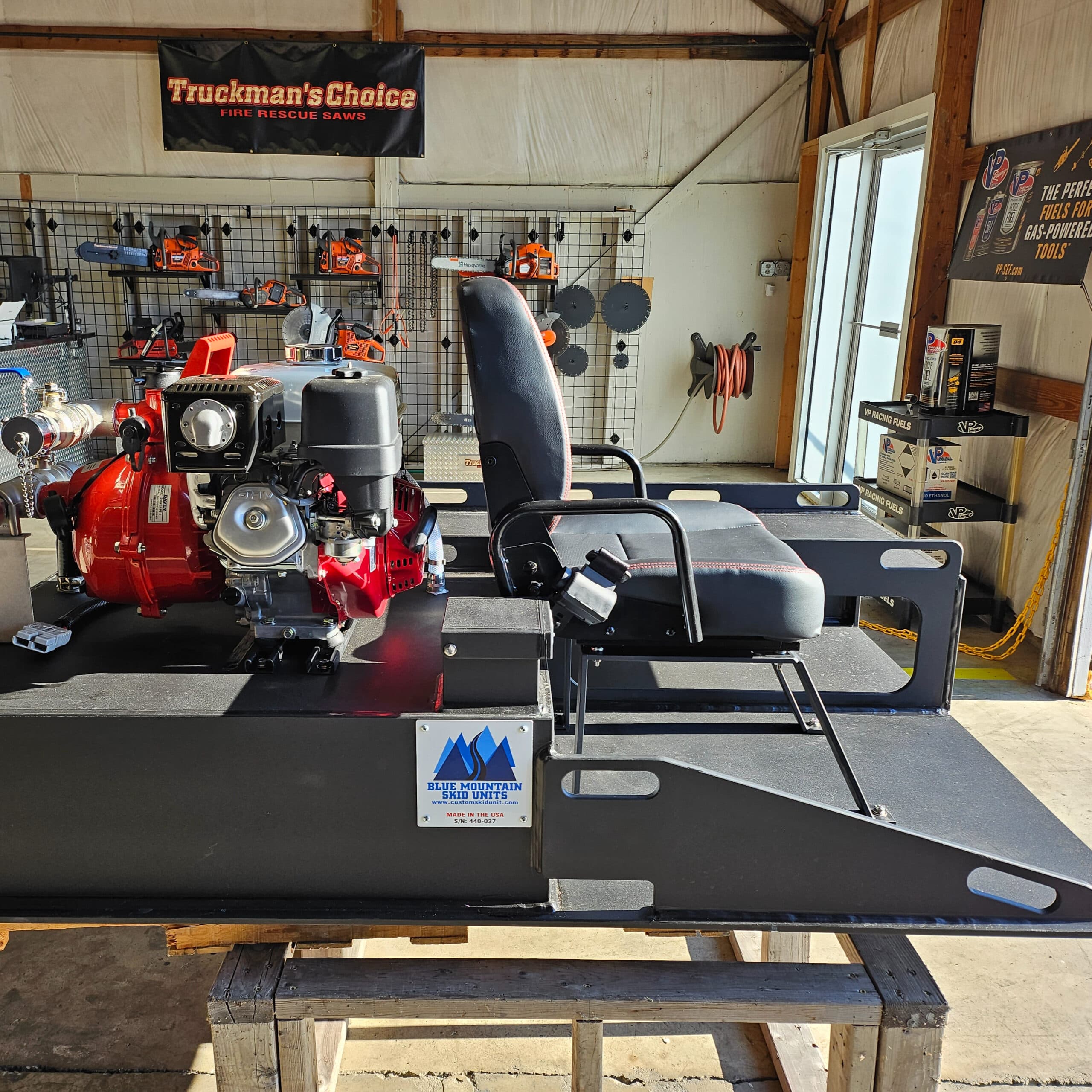
EFES offers custom UV-resistant polypropylene tanks with a limited lifetime warranty and fabricates polypropylene tanks in its Lemoyne shop. Exact tank specifications remain build-specific.
03Build in the Right Order
Move from assignment to carrier, load, water-moving performance, and finally the physical layout.
01
Write down the incidents, terrain, access, line deployment, water-supply plan, and fire or patient-transport functions the skid must support. A compact UTV combination unit and a pickup-bed brush skid should not begin from the same assumptions.
02
Record the exact vehicle, cargo area, current equipment, manufacturer capacity information, GVWR, and axle ratings. Physical fit is only half the question. The carrier also has to accommodate the complete operational load.
03
Calculate the water, then add the tank, pump, frame, plumbing, reel, hose, fuel, tools, crew, foam if carried, and every other item that travels with the unit. Use actual component and vehicle information when the specification is finalized.
04
Set the intended pump duty point, water-supply method, tank capacity, hose, reel, and connection requirements together. Review the manufacturer's pump curve at the working point rather than comparing unrelated maximum numbers.
05
Put every control, connection, storage area, and service point where the crew and technician can reach it. EFES then confirms the Blue Mountain tank, pump package, plumbing, mounting, and layout for the specific build.
03Ready for the Build Call
Bring the mission, carrier details, load limits, and intended line operation. EFES will help turn them into the actual Blue Mountain configuration.
Common Buying Questions
Skid unit pumps, tanks, and specifications
Start with the mission and the exact carrier's capacity, not a catalog maximum. Water weighs approximately 8.34 pounds per gallon, so 100 gallons is about 834 pounds and 200 gallons is about 1,668 pounds before hardware, crew, and equipment. EFES confirms the capacity after the full load and layout are understood.
A pump delivers different flow at different pressures. Maximum flow and maximum pressure are normally published at different operating points. Compare manufacturer curve data at the pressure and flow your intended hose and nozzle operation requires.
Yes. EFES offers custom tank sizes made from UV-resistant polypropylene, fabricates polypropylene water tanks in its Lemoyne shop, and states that every tank carries a limited lifetime warranty. Confirm the capacity, dimensions, fittings, and warranty terms for the proposed build.
Use the exact vehicle manufacturer's current ratings and labels. Account for water, every skid component, crew, tools, fuel, foam if carried, and other cargo, then consider the applicable GVWR and axle ratings. A gallons-only calculation or physical bed measurement is not a fitment approval.
Those capabilities depend on the pump, plumbing, and components in the specific build. EFES has not published them as universal Blue Mountain features. Put each required function on the worksheet and have EFES confirm availability and performance.
Both arrangements exist in the fire-equipment market; Hannay, one component relationship shown by EFES, manufactures manual and powered rewind reels. Choose based on hose diameter and length, available electrical or hydraulic support, mounting space, working position, and the department's operating preference. EFES confirms the actual reel for the build.
Expect the project conversation to cover tank capacity and layout, pump package and intended duty point, inlet and discharge functions, manifold and valves, reel and hose, storage, access, mounting, and service needs. Exact components, dimensions, performance, price, and timing belong on the build-specific proposal rather than this general guide.
Blue Mountain Custom Skid Units
EFES handles skid-unit projects from start to finish in Lemoyne, Pennsylvania.
Bring the mission, the carrier, and the load numbers. The shop will confirm the tank, pump, plumbing, reel, and layout for your department's build. Explore firefighting skid units.