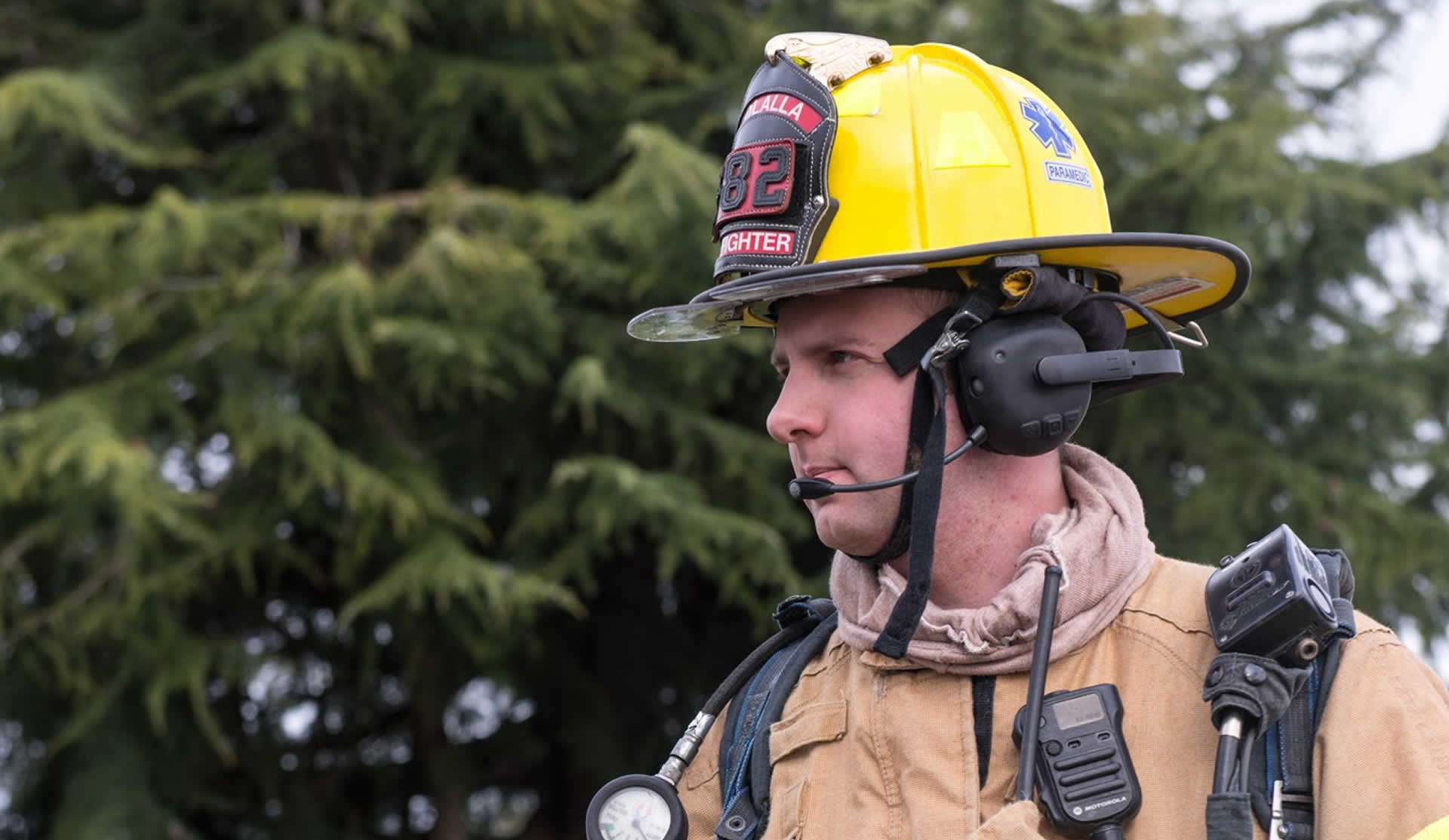
Firefighter wearing a FIRECOM communication headset on scene

Crew communications · Apparatus planning

Why Every Fire Department Needs Crew Communication Headsets

The engine pulls out of the bay and the work starts right away. Assignments get confirmed, hydrant locations get called out, and the crew starts building a picture of the call before the wheels stop moving. All of that depends on everyone in the cab being able to hear and be heard over diesel noise, sirens, and the road.

A cab intercom and headset system can give every riding position a clearer line to crew and radio audio without leaning across the cab or shouting.

Departments get more from these systems when they treat them like other apparatus equipment: plan the roles, validate the fit, train the crew, and maintain the system instead of bolting it in and forgetting it.

This guide covers why that planning matters, where hearing protection fits, and how to build a system around the way your crew works.

01The ride is working time

The Ride to the Call Is Briefing Time, Not Dead Time

Every minute between dispatch and arrival is planning time.

The officer is reading the call back, crew members are confirming assignments, and everyone is trying to picture what they will find when the doors open.

That gets harder when riders cannot hear the radio or have to shout to ask a question. A system that supports clear, normal-volume crew conversation can turn the ride into what it should be: the first working step of the response.

That is the case for treating cab communication as infrastructure instead of an accessory. The sections below cover what a system can change, where hearing protection fits, and how to plan one around the apparatus.

02What changes in the cab

What Changes in the Cab

A properly designed intercom can put crew and radio audio at the riding positions that need it without asking members to strain against motor, siren, and road noise.

01

Crew and radio audio at the riding positions that need it, not only at the front of the cab.

02

Normal-volume crew conversation instead of shouting across diesel, siren, and road noise.

03

Full-duplex crew talk on systems designed for natural, hands-free intercom conversation.

04

Ambient listen-through on equipped models, configured and evaluated for the department's environment.

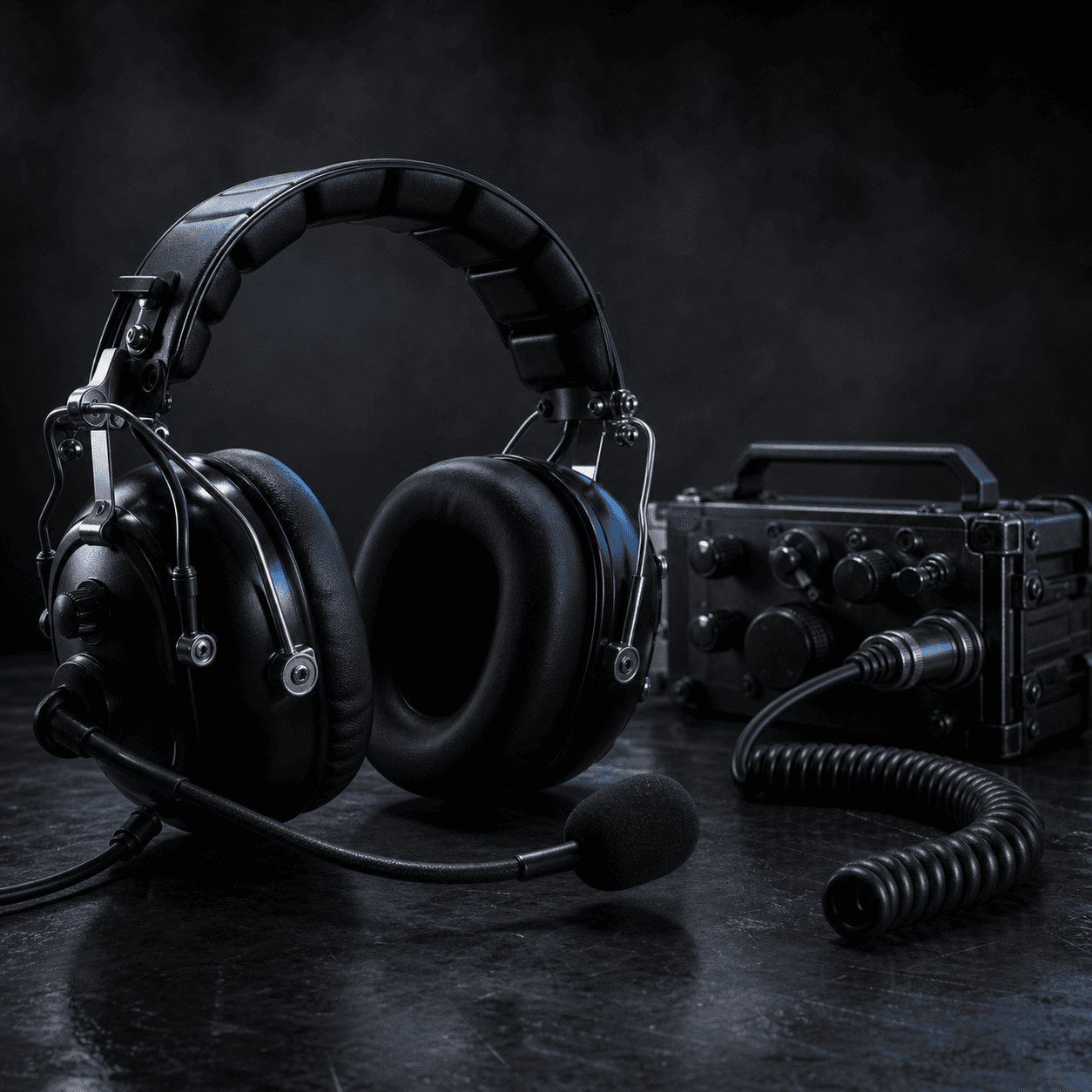
Firecom crew headsets and intercom equipment arranged as a complete apparatus communication system
02

Crew conversation can happen at a normal speaking volume.

On a full-duplex crew intercom, members can talk naturally without taking turns on the intercom channel. Where a selected system provides listen-through, it can pass adjustable ambient sound into the headset to support awareness of the cab environment.

None of this replaces sound judgment, SOPs, or radio discipline.

It addresses one practical obstacle: the crew struggling to hear one another in a noisy work area.

03Hearing protection, correctly framed

Hearing Protection Is a Program, Not a Purchase

Firefighters encounter noise from apparatus, sirens, pumps, saws, fans, pneumatic tools, and other equipment over the course of the job.

The National Institute for Occupational Safety and Health says firefighter exposure to high noise is well documented and increases the risk of noise-induced hearing loss.

Historical fire-department surveys summarized by NIOSH found average driver and jump-seat levels of 84 to 88 dBA and maximums of 105 to 109 dBA. Those are results from particular surveys and apparatus, not a prediction for every rig. They show why each department should understand its own exposure.

OSHA uses an 85 dBA eight-hour time-weighted average as the action level for hearing-conservation programs in covered workplaces. That is a widely used occupational benchmark, not a legal conclusion about every municipal fire department.

A properly selected, fitted, and used hearing-protective headset can be one control in that picture. It can reduce the need to shout and make crew or dispatch audio easier to hear, but it does not replace exposure assessment, quieter-equipment decisions, training, fit testing, or the rest of a department hearing-loss prevention program.

The practical goal is not to buy a product and declare the problem solved. It is to choose controls that fit the apparatus and work, then teach members how and when to use them.
The boundary that matters

For the source guidance and survey ranges, see NIOSH Publication 2013-142, Promoting Hearing Health among Fire Fighters and OSHA's Occupational Noise Exposure overview.

04Operational moments

Where a System Can Support the Crew

Where and how a system helps depends on its design, range, interfaces, and the department's operating policy. These are useful moments to evaluate during a demo.

01

Response briefing: assignments and call details shared across the riding positions.

02

Backing and spotting: clearer driver-to-spotter talk within the department's established backing procedure.

03

Pump, aerial, and apparatus-adjacent work: operator communication where the selected system supports it.

04

Extended and special operations: crew conversation around the rig over a longer working period.

05

Training and review: practicing system use, radio discipline, and failure fallbacks before the call.

Evaluate in your environment

Do not assume every configuration covers every moment. Confirm range, portability, radio behavior, and policy for the specific system before relying on off-apparatus use.

05Committee plan

Build the System Around the Crew

A crew communication system is worth planning like other apparatus equipment. These four steps give a committee a practical starting point.

01

Map Seats and Tasks

Start with who rides where and what each position needs to hear. The driver, officer, and rear crew have different work on the response, and the system should reflect it.

Then map the jobs that move beyond the riding position: backing, pump operation, aerial work, command, or specialized response. That shows where a fixed connection may be enough and where mobility may matter.

02

Validate Radios, Noise, and Gear

List the mobile and portable radios the system must work with, including the exact models. Interface compatibility depends on the radio and system design, so confirm it before hardware is ordered.

Look at the actual noise environment and how the headset fits with helmets and other required gear. Selection and fit affect both communication and the protection a wearer receives.

03

Choose Roles, Not a Universal Winner

Wired and wireless solve different problems. A fixed driver or officer position may suit a wired connection. Members who need to move around the apparatus may benefit from wireless, within the selected system's tested range and operating plan.

Many departments land on a mixed system. Match the connection to the position instead of forcing one answer across the whole rig.

04

Demo, Train, and Document

Try the system on the department's apparatus with its radios and gear. A live demo can reveal fit, audio, control, and installation questions that a spec sheet will not.

Once installed, train every expected user and document the basics: donning, connection or pairing, charging where applicable, inspection, cleaning, and the fallback when a position goes down.

06From installation to habit

Make Adoption Part of Readiness

A system only supports the crew when members use it and trust it to work.

That calls for the same basic discipline departments apply to radios, SCBA, and other assigned equipment: a known location, a readiness check, trained users, and a response when something is not right.

01

Train every expected rider, not only officers, on correct use and the department's communication plan.

02

Standardize stowage and charging so a headset is ready and easy to find before the next call.

03

Follow manufacturer guidance for routine checks, fit, cleaning, cables, batteries, pairing, and damage.

04

Practice the fallback for a failed headset or intercom position before the crew has to improvise.

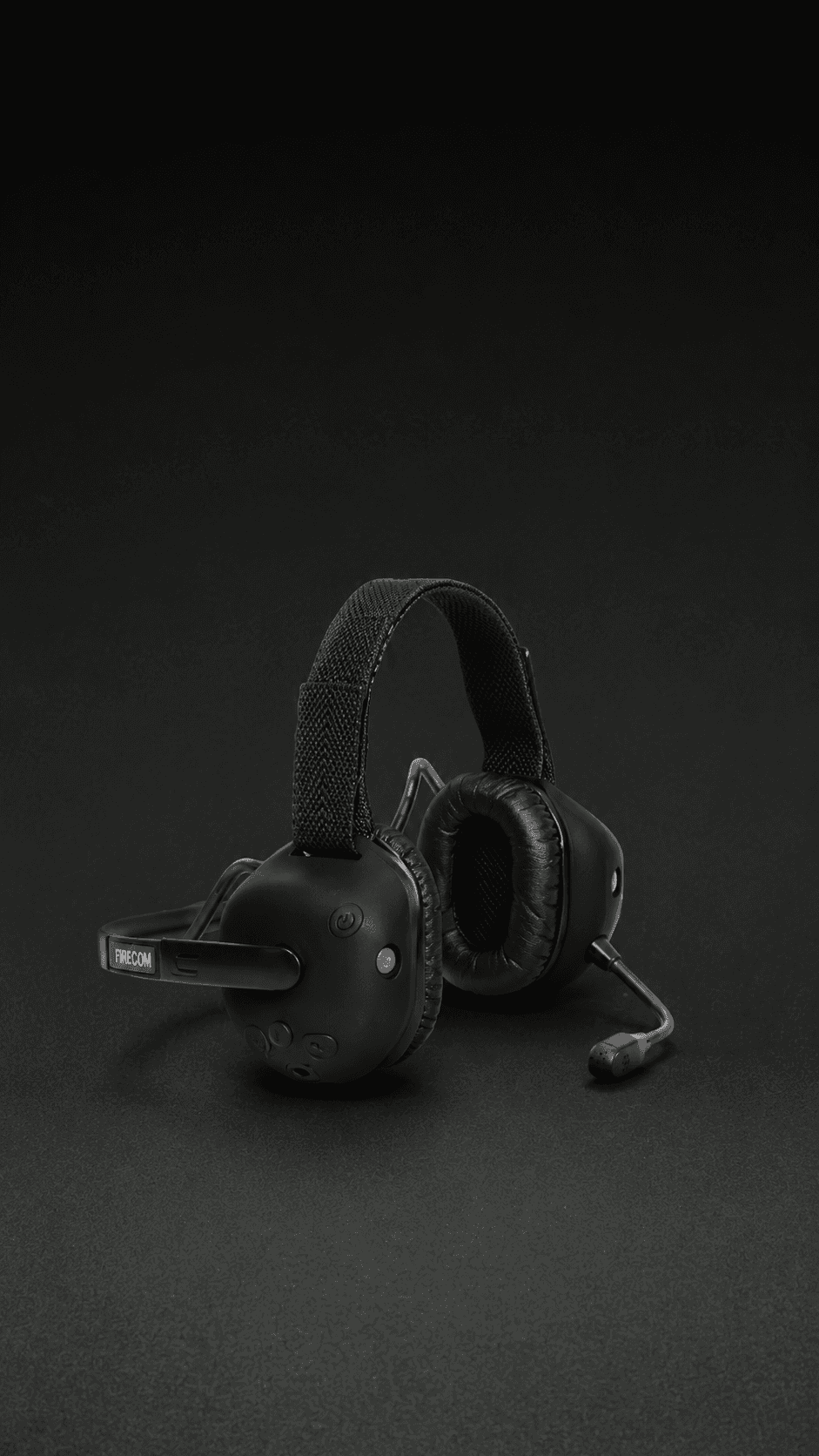
Firecom headset with ear domes and boom microphone ready for apparatus use
06

Apparatus paths

Fit the Plan to the Apparatus

The planning questions stay consistent, but the answer changes with the rig, its riding positions, and the work around it.

01

Engine & Rescue

Map the driver, officer, and rear crew first, then account for pump, tool, and apparatus-adjacent assignments that may change the mobility requirement.

02

Aerial

Plan cab conversation together with operator communication around the turntable, pedestal, and working area, subject to system range and department procedure.

03

EMS

Define the driver and attendant communication need, radio audio, patient-care workflow, and the cleaning or shared-use routine before selecting a configuration.

04

Command & Special Operations

Start with the channels and teams the unit must coordinate, then evaluate mobility, duration, charging, and interfaces for that specific assignment.

Straight answers for the committee

FrequentlyAsked Questions

Crew Headset FAQ

No. A system can support clearer crew and radio communication, and a hearing-protective headset can be one control within a broader hearing-loss prevention program. It does not replace exposure assessment, training, fit, or other controls.

Not automatically. Map the riding positions, radio access, and assignments first. Some departments equip every riding seat; others begin with the positions that have the clearest communication need and build from there.

Choose by position. Wired can suit fixed seats with no battery or pairing routine. Wireless can suit members who move around the apparatus, within the selected system's range. A mixed configuration is often worth evaluating.

Some models provide adjustable listen-through designed to pass ambient sound into the headset. Performance depends on the model, fit, settings, and environment, so evaluate it with the department's gear and procedure.

No. A cab intercom and headset system can interface with department radios, but it does not replace them. Confirm compatibility and behavior with the exact mobile and portable radio models in the plan.

Follow the manufacturer instructions for the selected equipment. A department routine may include condition, fit, connection or pairing, cables, controls, charge state for wireless units, cleaning, and a functional communication check.

Start with a seat-and-task map, the exact radios, and the jobs that extend beyond the cab. Then test a proposed system on the apparatus. Talk with EFES if you want help turning that map into a configuration and demo plan.

A system built around the rig

Plan Your Crew System: Talkto EFES

Tell us what you run, where the crew rides, which radios the apparatus carries, and what work moves outside the cab.

We will help you work through the fit instead of handing you a generic package.

EFES sells, installs, and services Firecom wired and wireless systems from Lemoyne, PA. Call 1-800-504-2044 or send the team your apparatus details.

Firefighter wearing a FIRECOM communication headset on scene
Why Every Fire Department Needs Crew Communication Headsets | Eastern Fire Equipment Services